How Will Trump’s Tariffs Affect the UAE Real Estate Market?
Investment Analysis
As U.S. President Donald Trump’s trade policies continue to echo globally, how tariff wars impact the Dubai property market is a question beginning to loom larger. While these measures target American strategic interests, they also ripple across global economies—including the UAE real estate sector.
April 14, 2025 || by LYM Real Estate

Key Takeaways
Interest Rates, Liquidity & Buyer Behavior
Short-Term Volatility & Developer Response
Structural Strength in the Face of Instability
As U.S. President Donald Trump’s trade policies continue to echo globally, how tariff wars impact the Dubai property market is a question beginning to loom larger. While these measures target American strategic interests, they also ripple across global economies—including the UAE real estate sector.
Interest Rates, Liquidity & Buyer Behavior
Trump’s trade maneuvering—though often framed as protectionist—is also widely perceived as a lever to push for looser monetary policy in the U.S. The objective? Lower interest rates and increased liquidity to manage America’s rising debt levels. For the Dubai real estate market, this has secondary but significant implications.
Due to the AED’s peg to the USD, any cuts to U.S. interest rates would directly translate to lower mortgage rates in the UAE. This would improve affordability and could lead to increased demand, especially from end-users. Moreover, a softer dollar could mean stronger purchasing power for buyers transacting in other currencies like the pound or euro—thereby enhancing the appeal of Dubai real estate investment for overseas investors. Interested in investing in Dubai real estate? Contact LYM Now!
Short-Term Volatility & Developer Response
In the short term, developers reliant on imported materials like steel, aluminum, and cement may face price volatility. This uncertainty could force some to delay launches or revise project timelines. However, the residential real estate demand remains firm. Communities across Dubai, from high-profile neighborhoods to emerging districts, continue to see robust interest from buyers and tenants alike.
Structural Strength in the Face of Instability
The broader fundamentals of the UAE property market remain strong. More than AED 200 billion in infrastructure is planned through 2030. Coupled with population growth targets of 7 million by 2040 and a solid regulatory ecosystem, the real estate market is structurally well supported. (See our detailed guide on Understanding Supply and Demand in the Dubai Real Estate Market: Insights into Future Projections and Market Dynamics)
Macroeconomic Risks: A Balanced View
While the structural outlook remains optimistic, certain macroeconomic risks cannot be ignored:
- Volatility in raw material costs
- Delays in project execution
- Financing constraints from traditional banks and private capital
- Sensitivity of the real estate property segment to pricing, especially for mid-income and first-time buyers
- Rental market’s dependence on wage growth amid limited supply
- FX volatility affecting cross-border transaction appetite
For global investors, the effects of global trade tensions on real estate investment are real and nuanced. The more complex the geopolitical landscape becomes, the more important it is to balance short-term risk with long-term resilience.
Geopolitical Dynamics & Strategic Thinking
From the BRICS expansion to energy realignments, the broader diplomatic framework is in flux. While the UAE has a track record of timely policy responses, outcomes will vary depending on the severity and duration of external shocks. Investors are encouraged to think strategically:
- Focus on income-producing assets in prime locations like DIFC, Downtown, and Dubai Marina.
- Partner only with developers who have proven delivery records—especially for off-plan property investments.
- Hedge against currency and interest rate risks where possible, particularly for those holding non-USD-denominated capital.
- Identify opportunities during market corrections in build-to-rent and industrial segments—areas where short-term shocks may create long-term value.
Dubai Property Handover Calendar
Track upcoming handovers and stay informed about key project delivery timelines to plan your investments smarter.
Handover Project in September 2026
Featured properties for sale
Explore premium opportunities curated for long-term value.

Imperial Avenue
Downtown Dubai


AED 2,150,000
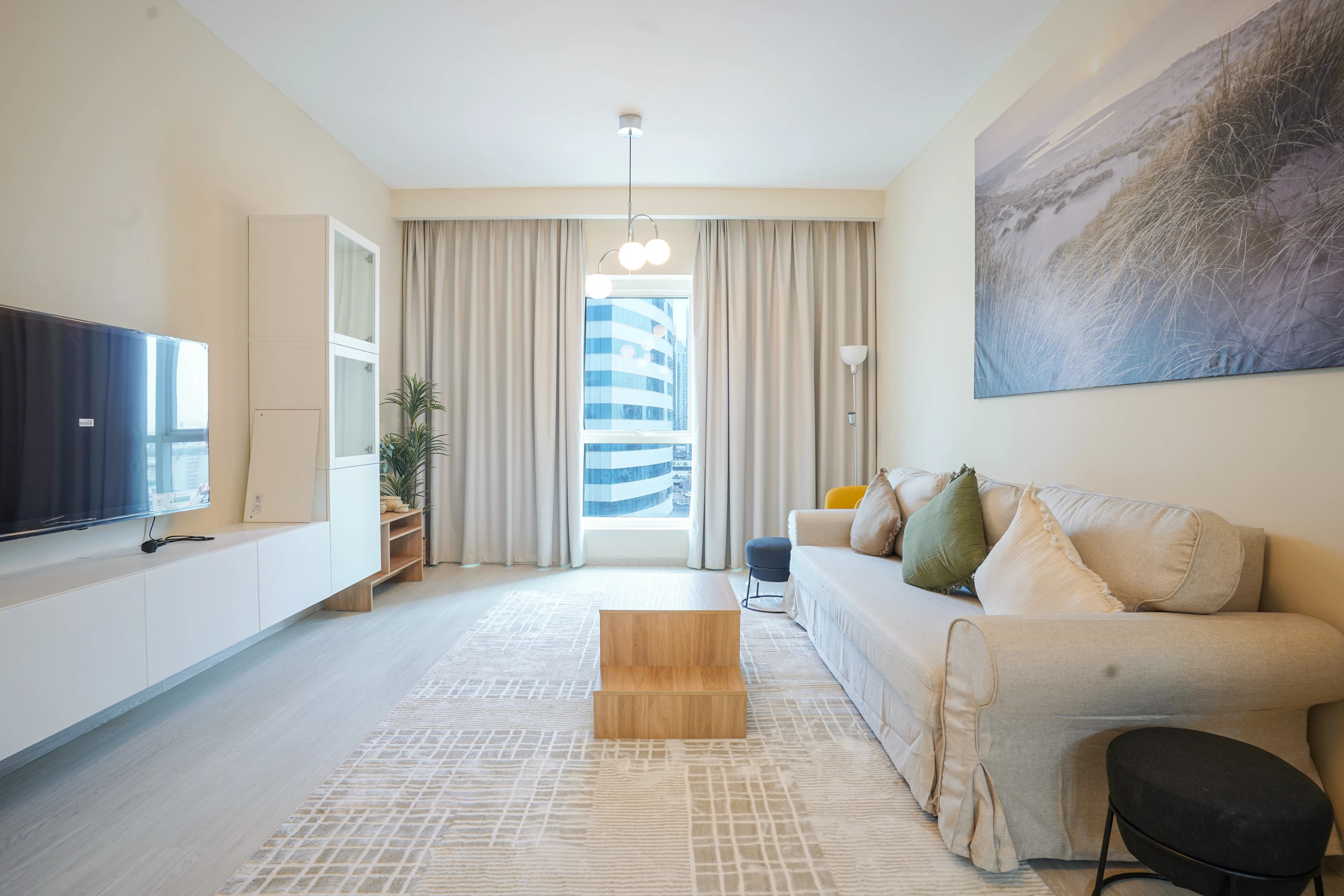
Lake Point Tower
Jumeirah Lake Towers
AED 1,100,000
Frequently Asked Questions
Recent off-plan projects
Discover new launches and curated off-plan opportunities.
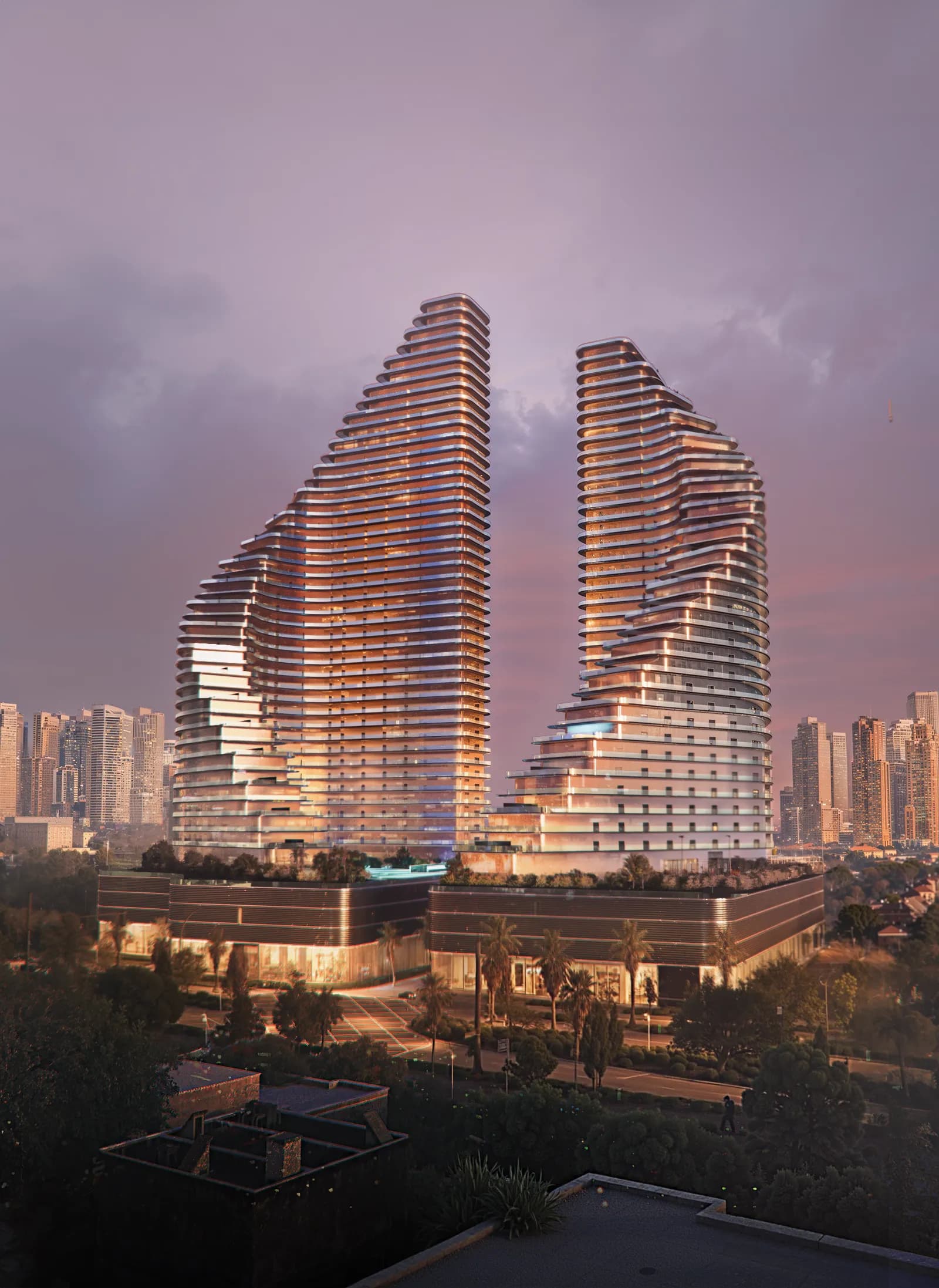
Binghatti Flare
Binghatti 5
Jumeirah Village Triangle
Starting price:AED 800,000
Expected HD:March 12, 2030

Binghatti Aquarise
Binghatti
Business Bay
Starting price:AED 999,999
Expected HD:January 1, 2027

Altan
Emaar
Dubai Creek Harbour
Starting price:AED 1,810,000
Expected HD:July 1, 2029
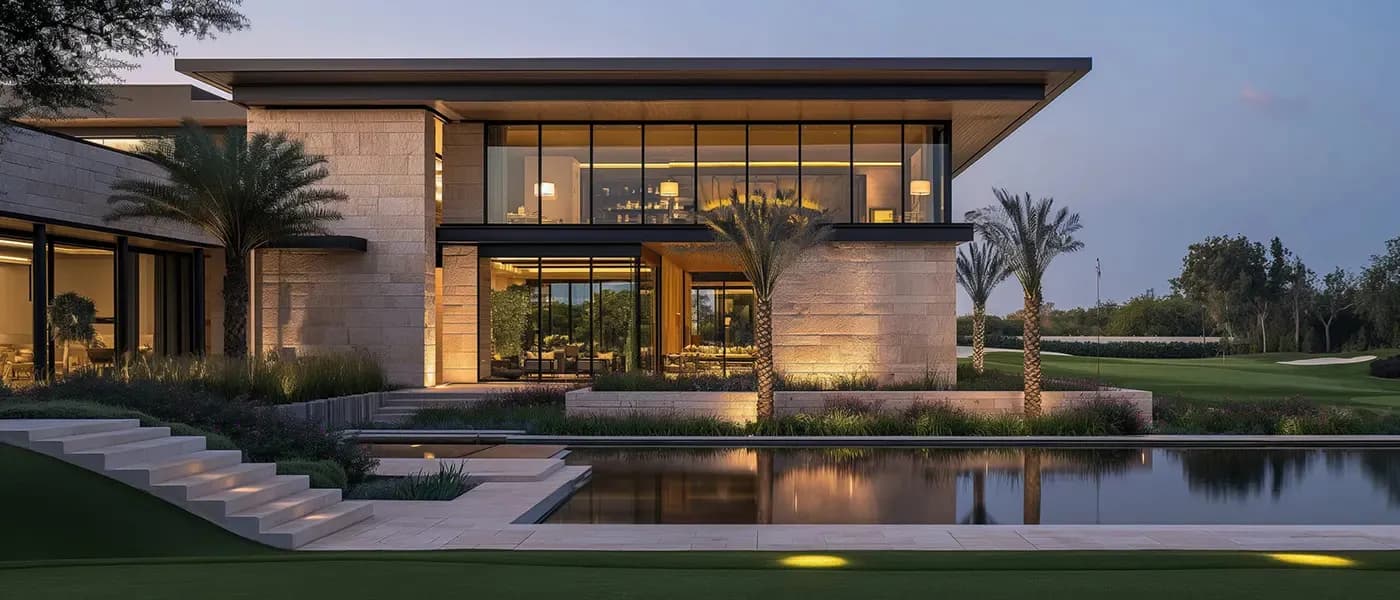
Grand Polo Club and Resort
Emaar
Dubai Investment Park
Starting price:AED 5,670,000
Expected HD:January 1, 2029
RELATED BLOGS

Investments
Discover Island Living: A New Era with DAMAC Islands Dubailand
April 23, 2025
LYM Real Estate
Investments
Discover Island Living: A New Era with DAMAC Islands Dubailand
April 23, 2025
LYM Real Estate

Investments
Golf Place 2 Review – The Epitome of Luxury Living in Dubai
April 22, 2025
LYM Real Estate

Investments
Rivera – The Valley by Emaar: Where Nature Meets Elegance
April 18, 2025
LYM Real Estate

Investments
UAE Corporate Tax and How It Affects Real Estate Investors in Dubai
April 17, 2025
LYM Real Estate
Stay Informed - Stay Ahead
Receive curated market updates, exclusive property opportunities, and early access to new developments.
By clicking Subscribe, you agree to our Terms and Conditions.
Popular Search
For Sale
For Rent
Off-Plan
All Properties